


PCOD diet chart typically focuses on managing insulin resistance, controlling weight, and balancing hormones. Here’s a general outline of a PCOD diet chart:
- Foods to Eat In PCOD:
- Foods to Avoid in PCOD:
- Follow PCOD Diet Chart:
- Advantages of PCOD Diet Chart:
- PCOD Diet Chart If You Are Planning For Baby:
- Tips To Get Fast Pregnant:
- Creating a PCOS Diet Chart:
- PCOS Diet Chart for Weight Loss:
- Conclusion:
- Frequently Asked Questions about PCOS Diet Chart:
- Q. What is a PCOS diet chart?
- Q. What are the key principles of a PCOS diet chart?
- Q. Why is a low glycemic index (GI) important in a PCOS diet?
- Q. What foods should I include in a PCOS diet chart?
- Q. Are there any foods I should avoid in a PCOS diet?
- Q. How does a PCOS diet chart help with weight management?
- Q. Should I count calories on a PCOS diet?
- Q. Can supplements complement a PCOS diet chart?
- Q. How long does it take to see improvements with a PCOS diet chart?
- Q. Is exercise important in conjunction with a PCOS diet chart?
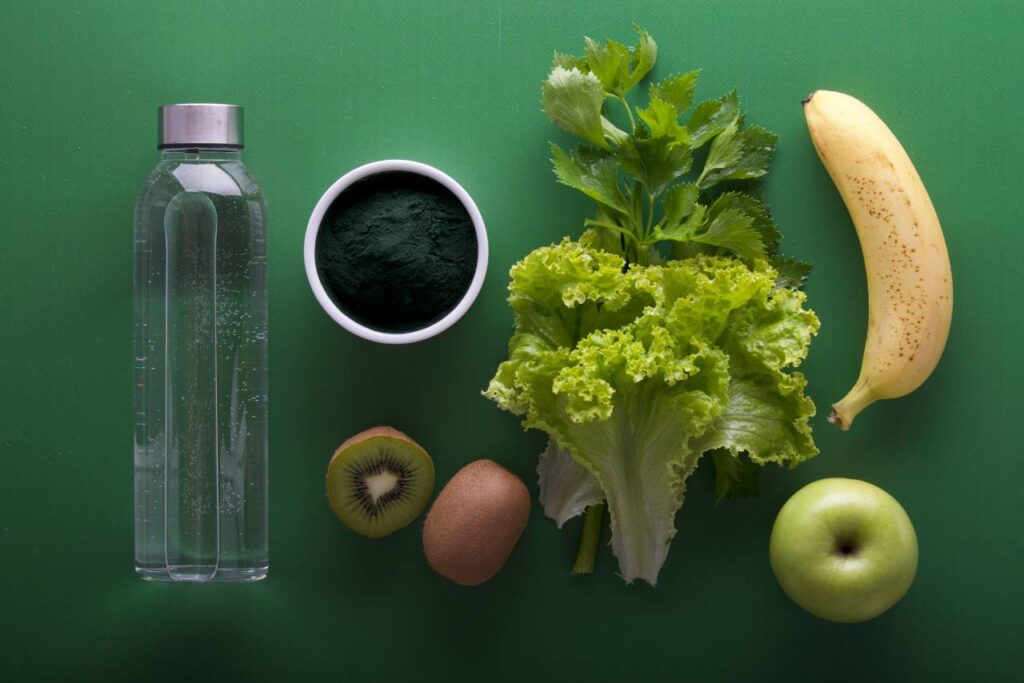
Foods to Eat In PCOD:
Complex Carbohydrates:
- Whole grains like brown rice, quinoa, oats, barley.
- Legumes such as lentils, chickpeas, and beans.
- Sweet potatoes.
Lean Proteins:
- Skinless poultry.
- Fish like salmon, trout, mackerel.
- Tofu and tempeh.
- Low-fat dairy products like Greek yogurt, and cottage cheese.
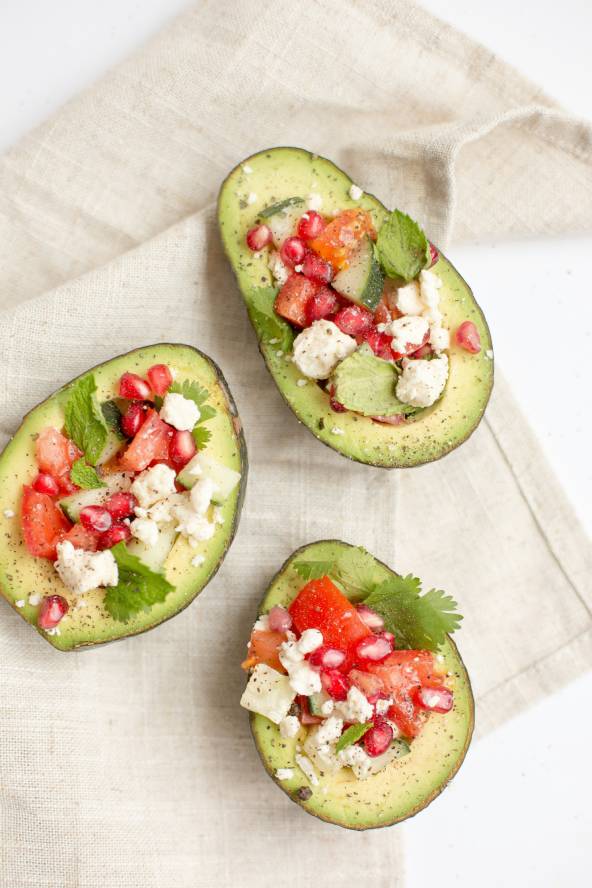
Healthy Fats:
- Avocados.
- Nuts and seeds (almonds, walnuts, flaxseeds, chia seeds).
- Olive oil, coconut oil.
Fruits and Vegetables:
- Colorful vegetables like spinach, kale, broccoli, Brussels sprouts.
- Berries (blueberries, strawberries, raspberries).
- Citrus fruits like oranges, lemons, grapefruits.
Anti-inflammatory Foods:
- Turmeric.
- Ginger.
- Garlic.
Fiber-rich Foods:
- Vegetables.
- Fruits.
- Whole grains.
- Legumes.
Hydration:
- Water.
- Herbal teas.
Foods to Avoid in PCOD:
High Glycemic Index (GI) Foods:
- White bread.
- White rice.
- Sugary snacks and beverages.
Processed Foods:
- Fast food.
- Packaged snacks.
- Sugary cereals.
Saturated and Trans Fats:
- Fried foods.
- Processed meats like sausages and bacon.
Dairy with Added Sugars:
- Flavored yogurts.
- Sweetened milk alternatives.
Excessive Caffeine and Alcohol:
Limit intake of coffee, tea, and alcohol.
Soy-based Products:
While some women with PCOD may tolerate soy products well, others may find it affects their hormone balance negatively. Monitor your response.
Follow PCOD Diet Chart:
Breakfast:
- Overnight oats with berries and chia seeds.
- Scrambled eggs with spinach and whole grain toast.
Mid-Morning Snack:
- Greek yogurt with sliced almonds and a sprinkle of cinnamon.
- Apple slices with almond butter.
Lunch:
- Grilled chicken salad with mixed greens, avocado, and olive oil dressing.
- Quinoa salad with chickpeas, cucumber, and tomatoes.
Afternoon Snack:
- Carrot sticks with hummus.
- Handful of mixed nuts.
Dinner:
- Baked salmon with roasted vegetables.
- Stir-fried tofu with broccoli, bell peppers, and brown rice.
Before Bed:
- Herbal tea.
- A small bowl of cottage cheese with sliced fruit.
Remember, it’s essential to consult with a healthcare professional or a registered dietitian for personalized advice tailored to your specific needs and medical history. Additionally, regular exercise and stress management are crucial components of managing PCOD effectively.
Advantages of PCOD Diet Chart:
Polycystic Ovary Syndrome (PCOS) is a common hormonal disorder affecting millions of women worldwide. Characterized by hormonal imbalances, irregular periods, and cysts on the ovaries, PCOS can significantly impact a woman’s health and quality of life. However, one powerful tool in managing PCOS symptoms is adopting a PCOD diet chart tailored to individual needs. In this article, we’ll delve into the advantages of following a PCOD diet chart and how it can empower women’s health.
Balances Hormones: One of the primary benefits of a PCOD diet chart is its ability to balance hormones. By focusing on nutrient-dense foods, such as fruits, vegetables, lean proteins, and whole grains, while minimizing processed foods, sugars, and unhealthy fats, the diet helps regulate insulin levels, which in turn can balance other hormones like estrogen and testosterone.
Promotes Weight Management: Many women with PCOS struggle with weight management due to insulin resistance and metabolic issues. A well-structured PCOD diet chart can support weight loss or maintenance goals by stabilizing blood sugar levels and promoting a healthy metabolism. Additionally, incorporating regular exercise along with the diet can further enhance weight management efforts.

Improves Insulin Sensitivity: Insulin resistance is a common feature of PCOS and can lead to various health complications, including type 2 diabetes. A PCOD diet chart focuses on foods with a low glycemic index, which helps improve insulin sensitivity and reduces the risk of developing diabetes. This can also lead to more consistent energy levels throughout the day.
Regulates Menstrual Cycle: Irregular menstrual cycles are a hallmark of PCOS, often causing frustration and anxiety for affected women. Following a PCOD diet chart can help regulate menstrual cycles by addressing underlying hormonal imbalances. The diet can promote regular ovulation and menstruation by providing the body with the right nutrients and maintaining a stable blood sugar level.
Reduces Inflammation: Chronic inflammation is associated with various health conditions, including PCOS. Certain foods, such as those high in refined sugars and trans fats, can exacerbate inflammation. A PCOD diet chart emphasizes anti-inflammatory foods like fatty fish, nuts, seeds, and colorful fruits and vegetables, which can help reduce inflammation and alleviate PCOS symptoms.
Supports Fertility: Many women with PCOS struggle with fertility issues due to irregular ovulation. Promoting hormonal balance, weight management, and insulin sensitivity, a PCOD diet chart can improve reproductive health and increase the chances of conception. Working with a healthcare provider or a registered dietitian to customize the diet plan according to individual needs can further optimize fertility outcomes.
Enhances Overall Health: Beyond managing PCOS symptoms, adopting a PCOD diet chart can improve overall health and well-being. By focusing on whole, nutrient-rich foods and minimizing processed and inflammatory foods, the diet supports cardiovascular health, digestive health, and mental health. It can also boost energy levels, improve sleep quality, and enhance mood, leading to a better quality of life.
A PCOD diet chart is a valuable tool for managing PCOS symptoms and promoting women’s health. By focusing on nutrient-dense foods, regulating hormones, supporting weight management, and reducing inflammation, the diet can alleviate symptoms, improve fertility, and enhance overall well-being.
However, it’s essential to remember that individual needs may vary, and consulting with a healthcare provider or a registered dietitian is advisable to develop a personalized PCOD diet plan tailored to specific requirements. Empower yourself with the knowledge and tools to take control of your health and thrive despite PCOS.
PCOD Diet Chart If You Are Planning For Baby:
Balanced Macronutrients: Opt for a balanced diet comprising complex carbohydrates, lean proteins, and healthy fats. This helps regulate insulin levels and supports hormone balance.
Carbohydrates: Whole grains like quinoa, brown rice, oats, and legumes.

Proteins: Lean sources such as poultry, fish, tofu, legumes, and eggs.
Fats: Include sources of omega-3 fatty acids like salmon, walnuts, flaxseeds, and olive oil.

Fiber-rich Foods: Fiber aids in maintaining steady blood sugar levels and promoting gut health. Incorporate plenty of fruits, vegetables, nuts, seeds, and whole grains into your diet.
Low-Glycemic Index (GI) Foods: Choose foods with a low GI to prevent spikes in blood sugar levels. Examples include sweet potatoes, berries, leafy greens, and beans.
Antioxidant-rich Foods: Antioxidants combat inflammation and oxidative stress, common in PCOS. Include colorful fruits and vegetables such as berries, spinach, kale, and bell peppers.
Dairy Alternatives: Some women with PCOS may benefit from reducing dairy consumption due to its potential to exacerbate hormonal imbalances. Opt for dairy alternatives like almond milk, coconut milk, or soy milk.
Hydration: Stay adequately hydrated by consuming plenty of water and herbal teas. Hydration supports overall health and hormone balance.
Tips To Get Fast Pregnant:
Maintain a Healthy Weight: Excess weight can exacerbate PCOS symptoms and hinder fertility. Aim for a healthy weight through a balanced diet and regular exercise.
Regular Exercise: Engage in regular physical activity to manage weight, reduce stress, and improve insulin sensitivity. Choose activities you enjoy, such as walking, yoga, swimming, or cycling.

Manage Stress: Chronic stress can disrupt hormone levels and ovulation. Incorporate stress-relieving practices such as meditation, deep breathing exercises, mindfulness, or hobbies you enjoy.
Monitor Ovulation: Track your menstrual cycle and ovulation using fertility tracking apps or ovulation predictor kits. This can help identify fertile windows and optimize timing for conception.
Consult a Healthcare Professional: If you’re struggling with fertility, consult a healthcare professional specializing in reproductive health. They can provide personalized advice, fertility treatments, or medications tailored to your needs.
PCOS is a hormonal disorder that affects women of reproductive age, characterized by enlarged ovaries containing small cysts. One of the hallmark symptoms of PCOS is weight gain, particularly around the abdomen, due to insulin resistance and hormonal imbalances.
Creating a PCOS Diet Chart:
A PCOS diet chart focuses on balancing blood sugar levels, reducing inflammation, and promoting weight loss. Here’s a breakdown of key components:
Low Glycemic Index (GI) Foods:
Foods with a low GI release glucose into the bloodstream slowly, preventing spikes in insulin levels. Incorporate plenty of fruits, vegetables, whole grains, and legumes such as lentils and chickpeas.
Lean Proteins:
Include lean protein sources in each meal to promote satiety and stabilize blood sugar levels. Opt for poultry, fish, tofu, eggs, and low-fat dairy products.
Healthy Fats:
Choose sources of healthy fats such as avocados, nuts, seeds, and olive oil. These fats support hormone production and reduce inflammation.
Fiber-rich Foods:
Fiber aids digestion promotes fullness, and regulates blood sugar levels. Incorporate fiber-rich foods like oats, quinoa, broccoli, Brussels sprouts, and berries into your meals.
Limit Refined Carbohydrates and Sugars:
Avoid or minimize consumption of refined carbohydrates like white bread, pasta, pastries, and sugary foods and beverages. These can cause rapid spikes in blood sugar and exacerbate insulin resistance.
Portion Control:
Practice portion control to prevent overeating and manage calorie intake. Pay attention to serving sizes and aim for balanced meals containing a mix of carbohydrates, proteins, and fats.
PCOS Diet Chart for Weight Loss:
Breakfast:
- Overnight oats topped with berries and chopped nuts
- Greek yogurt with sliced fruit and a sprinkle of cinnamon
- Spinach and mushroom omelet with whole-grain toast
Lunch:
- Grilled chicken salad with mixed greens, avocado, and olive oil vinaigrette
- Quinoa and vegetable stir-fry with tofu or shrimp
- Lentil soup with a side of roasted vegetables

Snacks:
- Carrot sticks with hummus
- Apple slices with almond butter
- Cottage cheese with cucumber slices
Dinner:
- Baked salmon with roasted sweet potatoes and steamed broccoli
- Turkey chili with beans and a side salad
- Stir-fried vegetables with tofu or lean beef served over brown rice
Remember to stay hydrated by drinking plenty of water throughout the day and limit intake of caffeine and alcohol. Additionally, regular physical activity is essential for managing PCOS and promoting weight loss.
Consult a healthcare provider or a registered dietitian before making significant changes to your diet, especially if you have underlying health conditions or are taking medication. They can provide personalized recommendations based on your individual needs and medical history.
Conclusion:
A well-planned PCOS diet chart can be an effective tool for managing symptoms and achieving weight loss goals. By focusing on whole, nutrient-dense foods and adopting healthy eating habits, women with PCOS can support their overall health and well-being. Combined with regular exercise and medical management, a PCOS-friendly diet can contribute to a healthier and happier lifestyle.
Frequently Asked Questions about PCOS Diet Chart:
Q. What is a PCOS diet chart?
A PCOS diet chart is a structured eating plan designed to help manage symptoms of Polycystic Ovary Syndrome (PCOS) through balanced nutrition. It focuses on regulating insulin levels, managing weight, and reducing symptoms like irregular periods and hormonal imbalances.
Q. What are the key principles of a PCOS diet chart?
Key principles include consuming low glycemic index (GI) foods, incorporating lean proteins, healthy fats, and high-fiber carbohydrates, controlling portion sizes, and avoiding highly processed and sugary foods.
Q. Why is a low glycemic index (GI) important in a PCOS diet?
Low GI foods are digested and absorbed slowly, preventing rapid spikes in blood sugar levels and insulin secretion. This helps in managing insulin resistance, a common issue among women with PCOS.
Q. What foods should I include in a PCOS diet chart?
Include whole grains, fruits, vegetables, lean proteins such as poultry, fish, and legumes, healthy fats like avocados and nuts, and dairy or dairy alternatives. Focus on nutrient-dense, unprocessed foods.
Q. Are there any foods I should avoid in a PCOS diet?
Limit or avoid sugary foods and beverages, refined carbohydrates like white bread and pastries, trans fats, and excessive consumption of dairy products high in saturated fats. Minimize intake of alcohol and caffeine.
Q. How does a PCOS diet chart help with weight management?
A PCOS diet chart encourages balanced meals that promote satiety and stable blood sugar levels, reducing cravings and overeating. It also supports metabolism and energy levels, aiding in weight loss or maintenance.
Q. Should I count calories on a PCOS diet?
While calorie counting can be helpful for some, focusing on nutrient quality and portion control is often more beneficial for women with PCOS. Emphasize whole, nutrient-dense foods and listen to your body’s hunger and fullness cues.
Q. Can supplements complement a PCOS diet chart?
Certain supplements like inositol, omega-3 fatty acids, and vitamin D may offer additional support in managing PCOS symptoms. However, it’s essential to consult with a healthcare provider before adding supplements to your regimen.
Q. How long does it take to see improvements with a PCOS diet chart?
Results vary depending on individual factors such as adherence to the diet, overall health, and lifestyle habits. Some women may notice improvements in symptoms like menstrual regularity and energy levels within a few weeks to months.
Q. Is exercise important in conjunction with a PCOS diet chart?
Yes, regular physical activity complements a PCOS diet by aiding in weight management, improving insulin sensitivity, reducing stress, and promoting overall well-being. Aim for a combination of cardiovascular, strength training, and flexibility exercises for optimal benefits.