

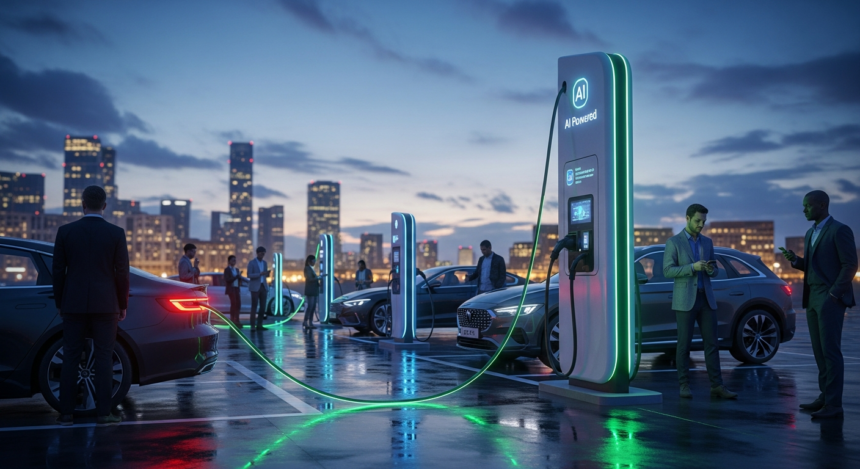
As electric vehicles (EVs) become more common on our roads, a major problem is emerging: the infrastructure to charge them is struggling to keep up. Drivers often face broken chargers, long lines, or slow charging speeds. However, a new wave of artificial intelligence (AI) is now being deployed to fix these issues, turning a frustrated experience into a seamless one.
From predicting when a charger will break to managing how much electricity a city uses, AI is becoming the “brain” behind the global shift to clean energy.
Key Takeaways
- Faster Charging: AI algorithms can optimize power delivery, potentially speeding up charging by up to 30%.
- Fixing the “Broken” Problem: Predictive maintenance allows operators to fix chargers before they actually stop working.
- Grid Stability: Smart AI systems prevent local power grids from crashing by balancing the energy needs of thousands of cars.
- Smart Savings: AI-driven apps help drivers find the cheapest and fastest times to plug in based on real-time electricity prices.
The Brains Behind the Plug
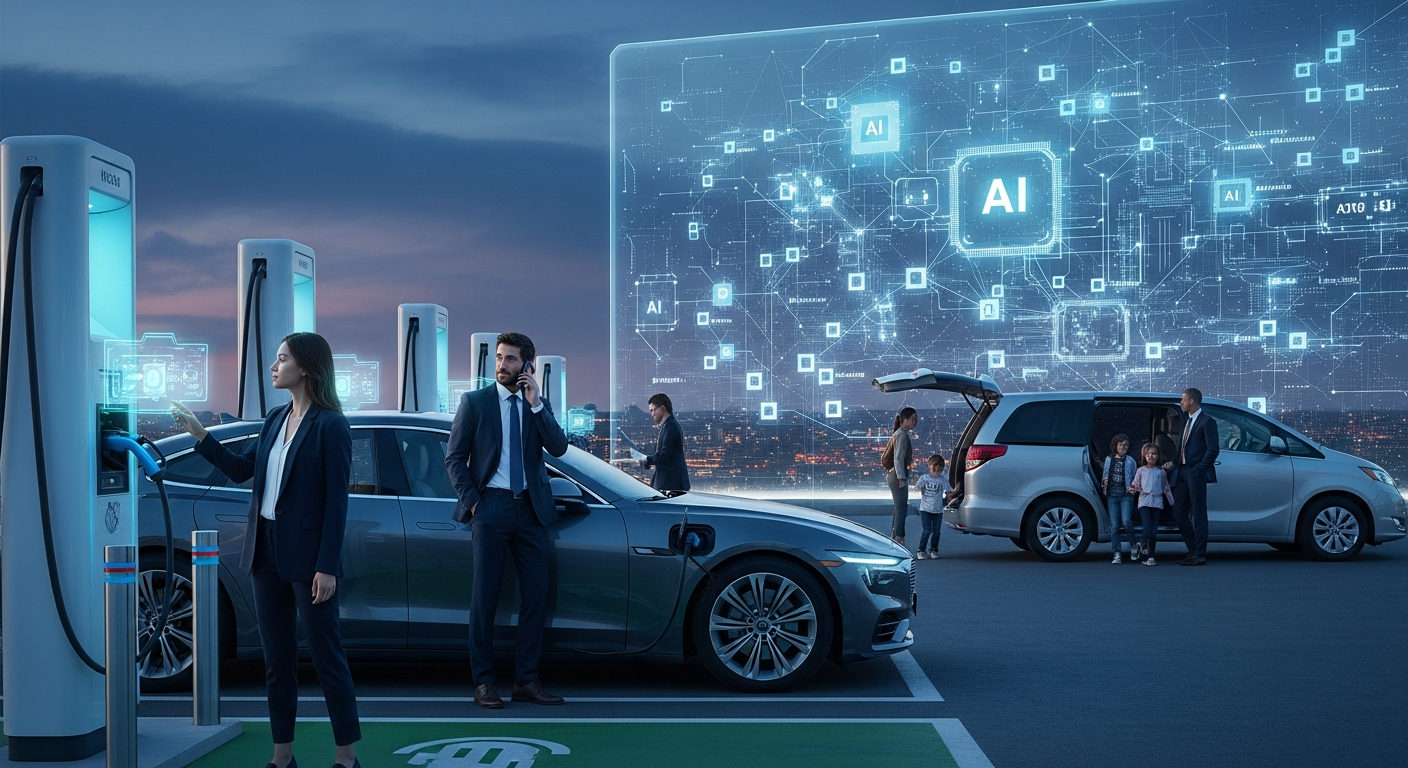
In the past, an EV charger was a simple tool—much like a toaster—that just delivered power. Today, chargers are becoming sophisticated computers. Companies like Intel and startups such as Enkel and Monalee are using AI to monitor every second of a charging session.
This technology, known as “Smart Charging,” looks at how much power the grid has available and how much the car needs. If too many people plug in at 6:00 PM when everyone is also cooking dinner, the AI can slightly slow down the charging or wait until later in the night when energy is cheaper and more plentiful. This prevents blackouts and saves money for the driver.
Fixing Chargers Before They Break
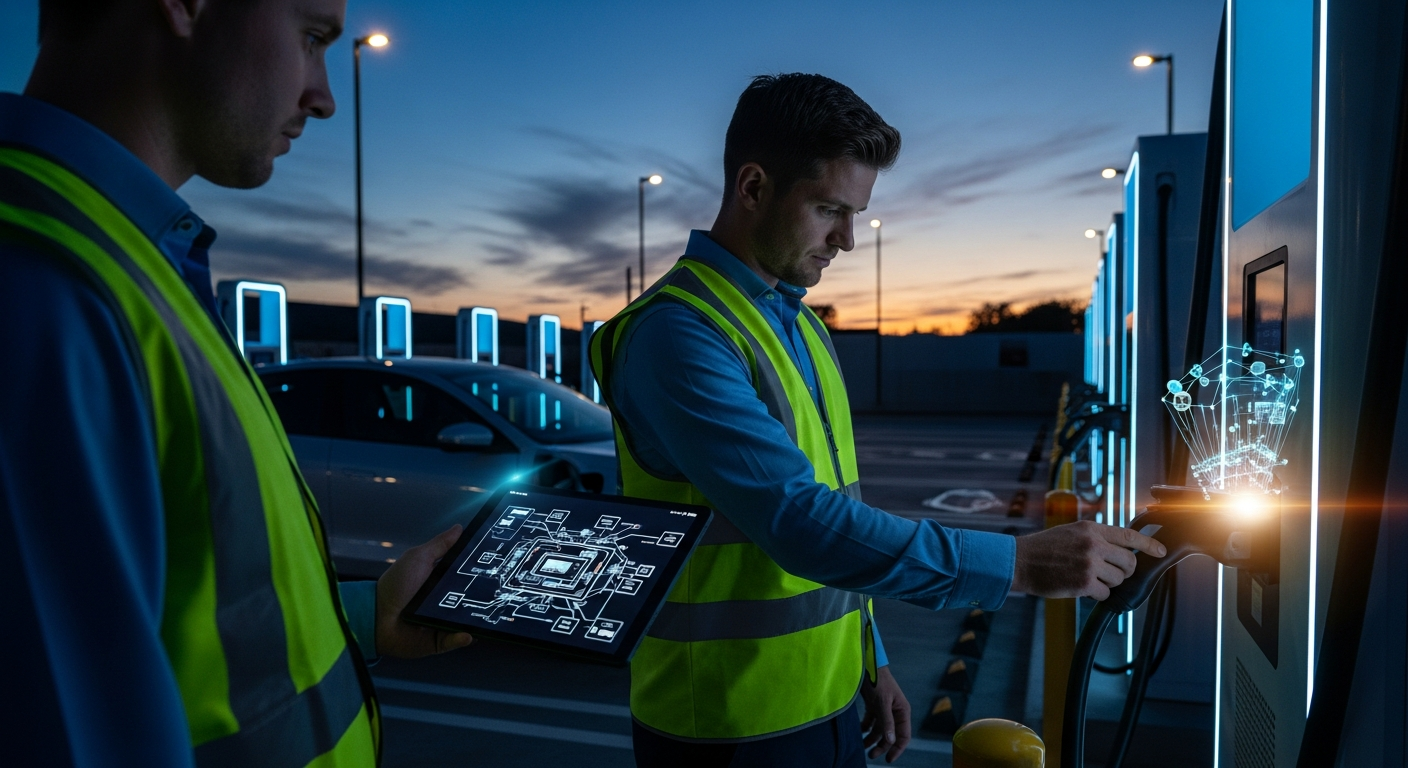
One of the biggest complaints from EV owners is the “broken charger” syndrome. Studies show that about one in five public chargers in the United States may be out of order at any given time.
AI is solving this through “predictive maintenance.” Instead of waiting for a driver to report a broken machine, AI sensors monitor heat levels, voltage fluctuations, and software glitches. If a part shows signs of wear, the system automatically alerts a repair crew. This “proactive” approach is expected to reduce charger downtime by nearly 30% by 2025.
Background: Why Now?
Governments around the world have set ambitious goals to phase out gasoline cars. In the U.S., the National Electric Vehicle Infrastructure (NEVI) program has funneled billions into building a coast-to-coast network. However, the sheer number of EVs—expected to reach 68 million worldwide by 2035—means the old way of managing energy won’t work. The power grid simply isn’t strong enough to handle everyone charging at once without the “smart” coordination that AI provides.
What Experts Are Saying
Industry leaders believe AI is no longer a luxury but a necessity for the survival of the EV market.
“AI is a pivotal force in accelerating the essential energy transition,” according to a recent statement from Google’s Clean Energy Accelerator program. Experts note that without AI, the cost of upgrading the physical power lines to every charging station would be too high to be realistic.
Russell Vare, an executive at The Mobility House, recently highlighted how new platforms are turning EVs into “virtual power plants.” He explained that these tools allow cars to not just take power, but actually give it back to the grid during emergencies, making homes and businesses more resilient.
Challenges Ahead
Despite the excitement, the road isn’t entirely smooth. Setting up AI-powered stations requires high initial costs and a workforce that knows how to manage both electricity and complex software. There are also concerns about data privacy, as these systems track where and when people drive.
Furthermore, different countries use different standards for their chargers. For AI to truly work globally, companies like Tesla, ABB, and Siemens will need to find better ways for their systems to talk to one another.
As 2025 approaches, the goal is clear: make charging an electric car as easy—and as smart—as using a smartphone.
FAQs:
1. How is AI helping reduce the EV charging infrastructure gap?
AI analyzes driving patterns, traffic data, and energy usage to identify where new charging stations are needed most, helping governments and companies plan better infrastructure.
2. How does AI optimize demand for EV charging?
AI predicts peak charging times and balances energy loads by managing when and where vehicles charge, reducing strain on power grids and avoiding overcrowded stations.
3. Can AI make EV charging faster and more efficient?
Yes. AI helps optimize charging speed, monitor equipment health, and prevent downtime, leading to quicker and more reliable charging experiences.
4. How does AI improve the EV charging experience for users?
AI-powered systems provide smart routing to nearby available chargers, real-time availability updates, and personalized charging recommendations.
5. Will AI help increase EV adoption in the future?
Absolutely. By making charging more reliable, accessible, and efficient, AI removes major barriers to EV adoption and encourages more people to switch to electric vehicles.