

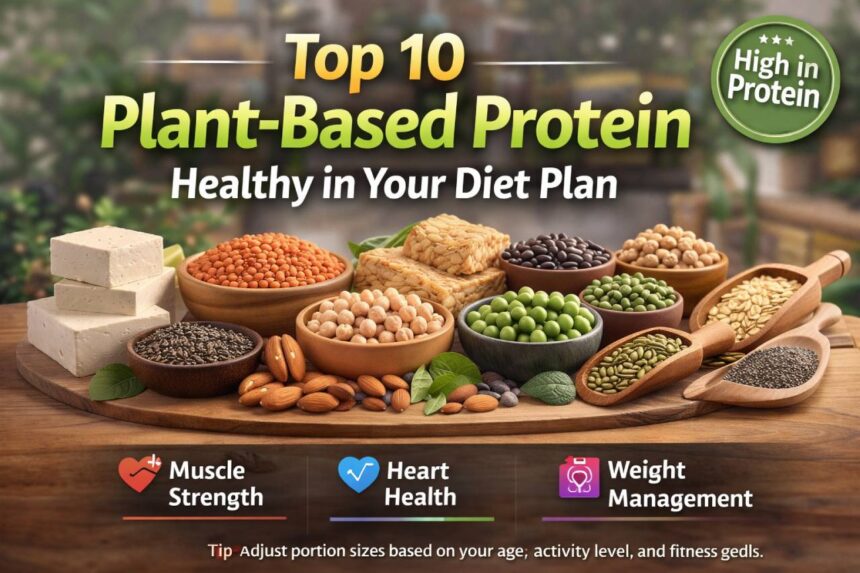
Plant-based proteins are becoming a popular choice for people looking to eat healthier, manage weight, or follow vegetarian and vegan lifestyles. They are rich in essential nutrients, fiber, and antioxidants while being naturally low in saturated fat. Adding plant-based protein to your daily diet can support muscle growth, digestion, heart health, and overall wellness.
Plant-Based Protein Diet Plan Chart:
| Meal Time | Food Items | Protein Source | Benefits |
|---|---|---|---|
| Early Morning | Warm water + soaked almonds | Almonds | Boosts metabolism, healthy fats |
| Breakfast | Oats with chia seeds & fruits | Oats, Chia seeds | Sustained energy, digestion support |
| Mid-Morning Snack | Roasted chickpeas | Chickpeas | Keeps you full, weight management |
| Lunch | Quinoa with lentil curry & salad | Quinoa, Lentils | Complete protein, muscle repair |
| Evening Snack | Edamame or mixed nuts | Edamame, Nuts | High protein, heart health |
| Dinner | Tofu or tempeh stir-fry with vegetables | Tofu / Tempeh | Lean protein, gut health |
| Before Bed (Optional) | Warm plant milk | Soy / Almond milk | Better sleep, light protein |
Let’s explore the top 10 healthy plant-based protein sources you should include in your diet plan.
1. Lentils
Lentils are one of the best plant-based protein sources. They are affordable, easy to cook, and highly nutritious. Lentils are one of the most powerful and affordable plant-based protein sources. They are widely used in Indian diets and are easy to digest.
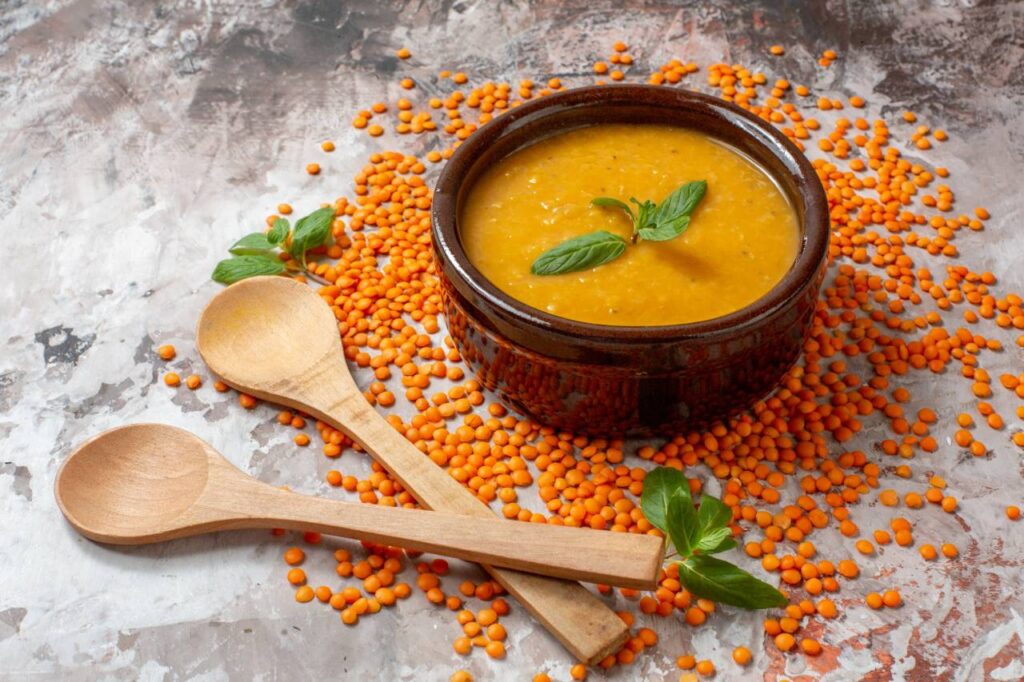
Why Lentils are Healthy:
- Excellent for weight loss due to high satiety
- Rich in plant protein and dietary fiber
- Help control blood sugar levels
- Improve gut health and digestion
- Support heart health by lowering bad cholesterol
Protein content: ~18g per cooked cup
2. Chickpeas (Garbanzo Beans)
Chickpeas are versatile and can be added to salads, curries, hummus, or roasted snacks. Chickpeas are versatile legumes commonly used in curries, salads, and hummus.
Protein content: ~15g per cooked cup
Health benefits of chickpeas:
- Good source of iron and folate
- High in protein and complex carbohydrates
- Keep you full for longer, reducing overeating
- Improve digestive health due to fiber
- Support muscle repair and energy levels
3. Quinoa
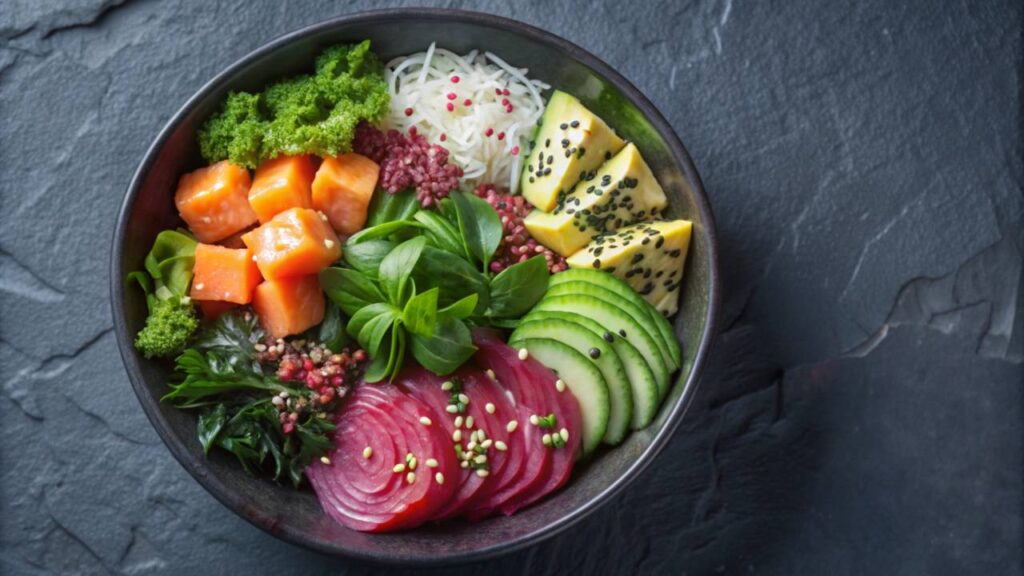
Unlike most plant foods, quinoa is a complete protein, containing all nine essential amino acids. Quinoa is a superfood and one of the few plant foods that provide complete protein.
Protein content: ~8g per cooked cup
Why quinoa is special?
- Contains all 9 essential amino acids
- Gluten-free and easy to digest
- Supports muscle recovery and strength
- Rich in magnesium, iron, and antioxidants
- Helps maintain steady energy throughout the day
4. Tofu
Made from soybeans, tofu is a popular protein source among vegetarians and vegans. Tofu is made from soybeans and absorbs flavors easily, making it a great addition to many dishes.
Protein content: ~20g per cup
Health benefits of tofu:
- High-quality protein for muscle growth
- Low in calories and saturated fat
- Supports bone health due to calcium
- Helps reduce cholesterol levels
- Ideal for heart-friendly diets
5. Tempeh
Tempeh is a fermented soy product with a firm texture and nutty flavor.
Protein content: ~31g per cup
Why tempeh is highly nutritious:
- Keeps you full for longer hours
- Higher protein content than tofu
- Contains probiotics that support gut health
- Improves digestion and nutrient absorption
- Helps maintain lean muscle mass
6. Black Beans
Black beans are filling, nutritious, and ideal for daily meals.
Protein content: ~15g per cooked cup
Health benefits of black beans:
- Great for energy and endurance
- Support heart health
- Help regulate blood sugar levels
- Rich in antioxidants
- Improve digestion and gut health
7. Green Peas
Green peas are often underestimated but are an excellent protein source.
Protein content: ~9g per cooked cup
Why green peas are healthy?
- Improve digestion
- Provide plant-based protein with low fat
- Rich in vitamins A, C, and K
- Strengthen immunity
- Support eye and skin health
8. Nuts and Seeds
Almonds, chia seeds, flaxseeds, pumpkin seeds, and sunflower seeds provide protein along with healthy fats.
Protein content: 5–9g per serving
Health benefits of nuts and seeds:
- Help reduce inflammation
- Provide protein along with healthy fats
- Improve brain and heart health
- Support hormone balance
- Promote healthy skin and hair
9. Edamame
Edamame are young soybeans and are packed with high-quality protein.
Protein content: ~17g per cooked cup
Why edamame is beneficial:
- Ideal for vegetarians and vegans
- High-quality protein for muscle building
- Rich in calcium, iron, and folate
- Helps lower cholesterol
- Supports bone strength
10. Oats
Oats are not only great for breakfast but also a good source of plant-based protein.
Protein content: ~11g per cup
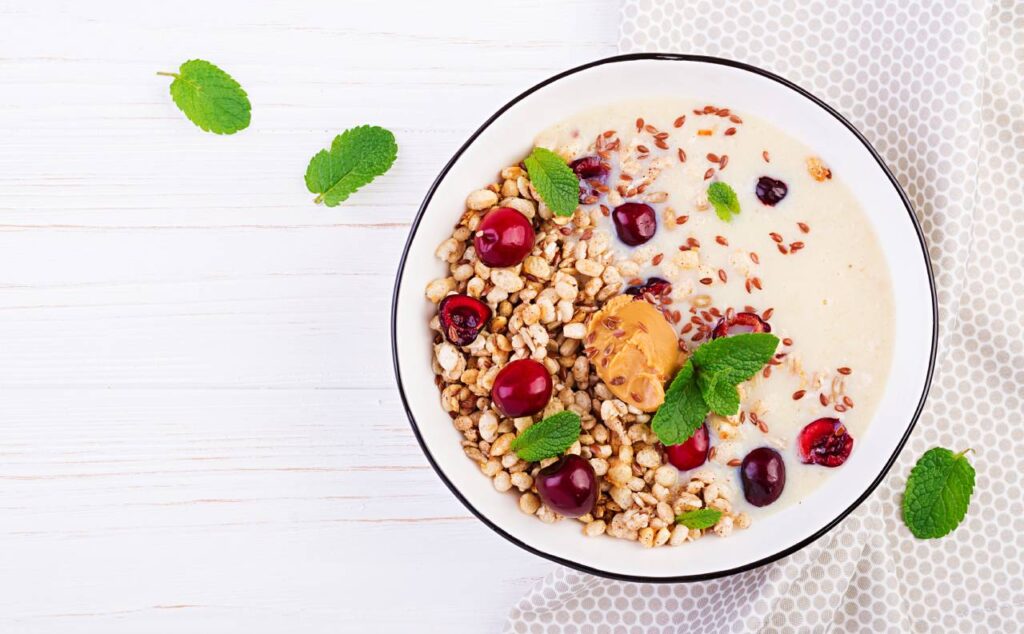
Health benefits of oats:
- Provide long-lasting energy
- Support heart health
- Improve digestion due to soluble fiber
- Help control blood sugar levels
- Promote weight management
How to Add Plant-Based Protein to Your Diet Plan?
- Add lentils or beans to soups and salads
- Use tofu or tempeh in stir-fries
- Include quinoa instead of white rice
- Snack on nuts and seeds
- Start your day with oats or smoothies
Including plant-based protein in your diet plan is a smart and healthy choice. These foods not only provide protein but also supply fiber, vitamins, and minerals that support overall well-being. Whether you’re vegetarian, vegan, or simply trying to eat healthier, these top 10 plant-based protein sources can help you meet your nutritional goals naturally.
Frequently Asked Questions:
1. Are plant-based proteins enough for daily protein needs?
Yes, plant-based proteins can fully meet daily protein requirements when consumed in a balanced variety, such as lentils, beans, tofu, quinoa, nuts, and seeds.
2. Which plant-based protein is best for muscle building?
Tempeh, tofu, lentils, quinoa, and edamame are excellent for muscle building due to their high protein and amino acid content.
3. Can I lose weight on a plant-based protein diet?
Yes, plant-based proteins are high in fiber and low in unhealthy fats, which helps control hunger and supports healthy weight loss.
4. Is plant-based protein good for diabetics?
Absolutely. Foods like lentils, chickpeas, oats, and quinoa have a low glycemic index and help maintain stable blood sugar levels.
5. How much plant-based protein should I eat daily?
On average:
- Sedentary adults: 0.8–1g per kg body weight
- Active individuals: 1.2–1.5g per kg body weight
A dietitian can help customize your intake.