


Artificial Intelligence is no longer just for answering questions or writing poems. A new wave of “semi-autonomous AI agents” is entering the workplace, and they are designed to do real work while keeping you in charge. These digital assistants are moving beyond basic chat to actually clicking buttons, sending emails, and managing schedules.
Key Takeaways
- Action-Oriented AI: Unlike chatbots that just talk, these agents can perform multi-step tasks across different software programs.
- The Safety Catch: “Semi-autonomous” means a human is still in the loop. The AI does the work but asks for permission before making big moves.
- Major Players: Tech giants like Salesforce, Anthropic, and OpenAI are racing to build these tools for businesses.
- Productivity Boost: Early tests suggest these tools could speed up work by up to 30%, though many companies are still in the testing phase.
- New Risks: As AI gets more power to act, experts warn about new security risks and the chance of errors “snowballing” if not watched closely.
Shift from Chatting to Doing:
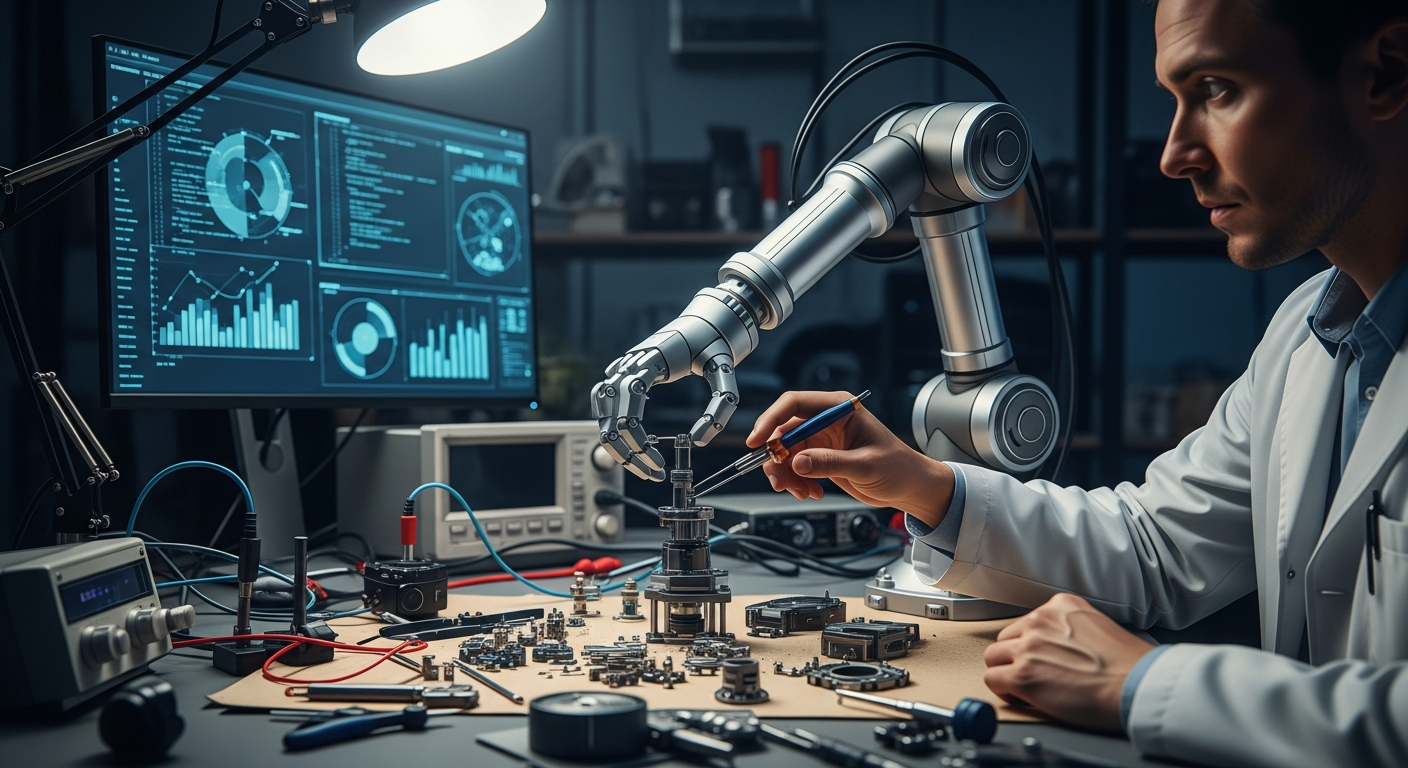
For the past few years, we have used AI like a search engine. You ask a question, and it gives you an answer. Semi-autonomous agents change that relationship. Think of them as smart interns rather than just encyclopedias.
If you tell a semi-autonomous agent to “plan a business trip,” it doesn’t just give you a list of flights. It can log into travel sites, find the best prices, draft an itinerary, and then wait for you to click “Approve” before it spends any money. This “human-in-the-loop“ system is the secret sauce. It allows businesses to use the speed of AI without the fear of the computer making a costly mistake on its own.
Background: Why Now?
In late 2025 and early 2026, the technology behind AI reached a tipping point. Companies like Anthropic released tools that allow AI to “see” a computer screen and move a mouse just like a human. Meanwhile, Salesforce launched “Agentforce,” a system that helps companies automate what they call “donkey work”—those boring, repetitive tasks like updating spreadsheets or following up on sales leads.
Before this, AI was mostly trapped inside a chat box. Now, it has “skills.” These skills are modular packages of code that let the AI understand specific jobs, like accounting or medical billing. By focusing on being “semi-autonomous” rather than fully independent, tech companies are trying to build trust with a public that is often nervous about AI taking too much control.
What Experts Are Saying
Industry leaders are divided on how quickly these agents will take over. Some, like Salesforce CEO Marc Benioff, believe these agents will soon be part of every business department. They point to early data showing that teams using these agents can resolve customer service issues 25% to 30% faster.
However, security experts have a more cautious view. At recent tech conferences, analysts warned that 2026 could be the year of “Agentic Risk.” Because these AI agents have permission to access company data and send messages, they could be targets for hackers. If a hacker tricks an AI agent, they might gain access to an entire company’s files.
Well-known AI researcher Andrej Karpathy has noted that while the tech is exciting, making it 100% reliable could take another decade. Until then, he suggests AI will be best as an “augmentation tool“—something that makes humans better at their jobs rather than replacing them entirely.
New Office Balance
As we head further into 2026, the goal for most companies isn’t to build a robot that works alone. Instead, they want a hybrid workforce where humans and AI work together.
In this setup, the AI handles the data-heavy, boring parts of a project, and the human provides the final judgment. It is a bit like cruise control on a car: the system can handle the straight roads and maintain speed, but the driver must stay alert and keep their hands near the wheel for when things get complicated.
Frequently Asked Questions:
1. What is semi-autonomous AI?
Semi-autonomous AI refers to intelligent systems that can perform tasks independently while still requiring human guidance or supervision. Unlike fully autonomous AI, it works with humans, not completely on its own.
2. How is semi-autonomous AI different from fully autonomous AI?
Semi-autonomous AI assists in decision-making and task execution but allows humans to remain in control. Fully autonomous AI operates without human involvement, which is less common in real-world workplaces.
3. Why is semi-autonomous AI called a “digital teammate”?
It is called a digital teammate because it collaborates with humans by handling repetitive tasks, analyzing data, and offering suggestions—helping teams work faster and smarter rather than replacing them.
4. What are the main benefits of semi-autonomous AI in the workplace?
Key benefits include increased productivity, reduced human error, faster decision-making, better time management, and improved collaboration between humans and AI systems.
5. Which industries are using semi-autonomous AI the most?
Industries like IT, healthcare, finance, marketing, manufacturing, and customer support are widely using semi-autonomous AI for automation, data analysis, and workflow optimization.