




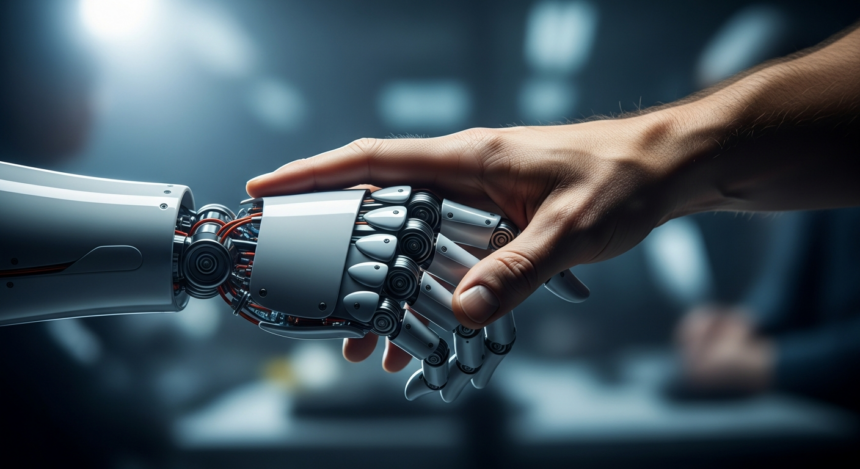
Robots with Brains: Why 2026 is the Year Physical AI Goes to Work
LAS VEGAS — For years, humanoid robots were mostly a science fiction dream or a fun YouTube video. But this week at the 2026 Consumer Electronics Show (CES), the conversation changed. Machines are no longer just "walking"; they are officially going to work.
From Tesla’s assembly lines to BMW’s manufacturing plants, "Physical AI" has become the most important technology of the year. This new branch of artificial intelligence gives robots a "brain" that can understand and move through the real world, rather than just generating text or images on a screen.
Key Takeaways
- Production Ready: Boston Dynamics has unveiled a commercial version of its electric Atlas robot, with the first units heading to Hyundai and Google DeepMind.
- Tesla’s Growth: Several thousand Tesla Optimus robots are now working in Tesla factories, with mass production planned for later this year.
- Physical AI Era: Tech giant NVIDIA has released new "world models" that allow any robot to learn complex human tasks in just hours.
- Proven Results: Figure AI successfully completed an 11-month trial at a BMW plant, proving that humanoids can handle the grind of a 10-hour work shift.
The Brain Meets the Body

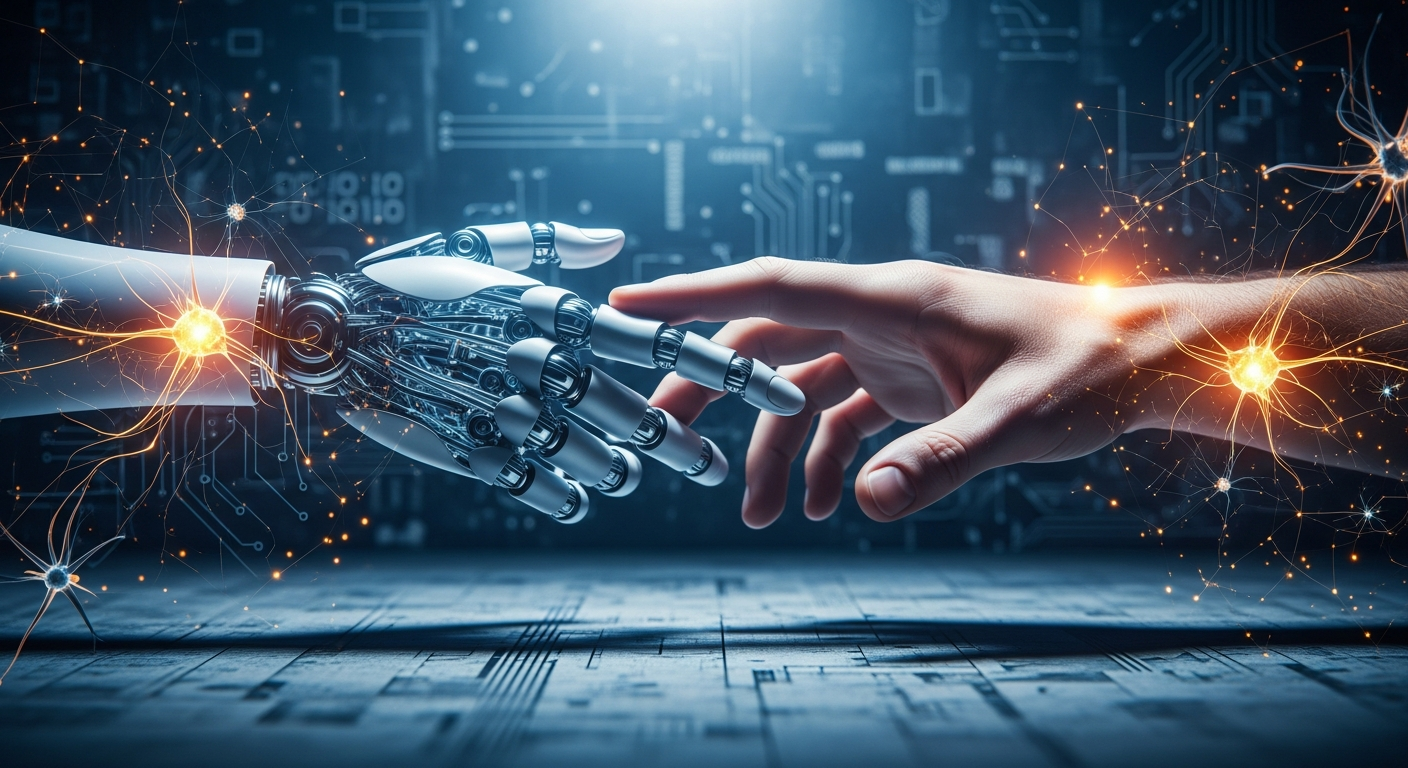
If the last two years were about AI learning to talk, 2026 is about AI learning to move. Experts call this Physical AI. It is the fusion of advanced sensors and the kind of intelligence found in ChatGPT.
Unlike old industrial robots that are bolted to the floor and do the same thing over and over, these new humanoid robots can see a messy room, decide what needs to be moved, and do it without being told exactly how.
NVIDIA CEO Jensen Huang described this as the "ChatGPT moment for robotics." To help this move faster, NVIDIA released a platform called GR00T, which acts as a universal foundation for robot learning. This allows engineers to train robots in a digital world before they ever step onto a real factory floor.
The Big Players Leading the Charge
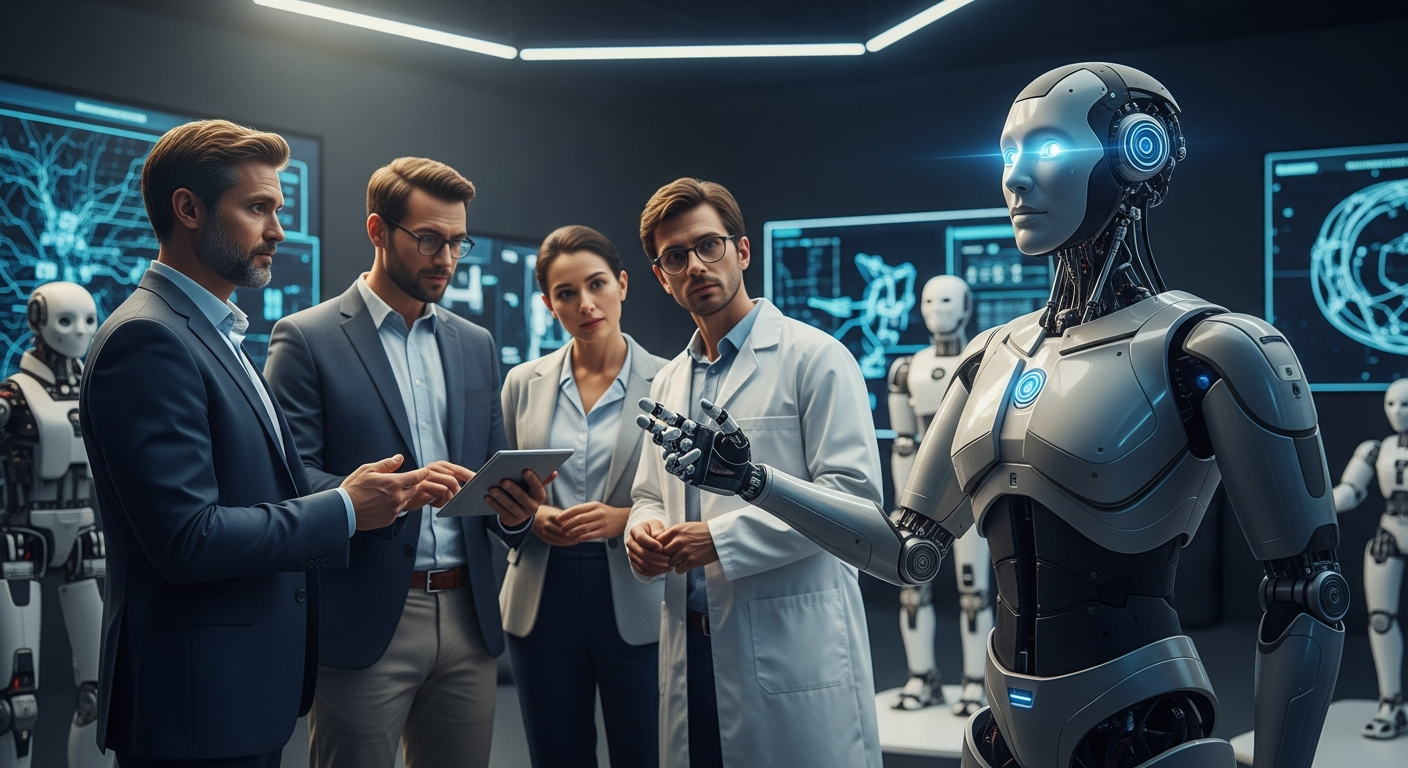
Several companies are racing to be the first to put a robot in every factory:
Boston Dynamics
The famous robotics company stole the show at CES by revealing that its all-electric Atlas robot is finally entering production. Unlike humans, this robot can rotate its torso and limbs 360 degrees, allowing it to move in ways that are more efficient than any person. Hyundai, which owns the company, plans to build up to 30,000 of these robots a year by 2028.
Tesla
Elon Musk’s Optimus program has moved into its third generation. While early versions were slow and clunky, the Gen 3 models are now performing tasks like sorting battery cells and moving parts with "human-equivalent" speed. Tesla plans to produce 50,000 units this year alone.
Figure AI and Agility Robotics
Figure AI recently finished a massive test at a BMW plant in South Carolina. Their robots moved over 90,000 car parts without making mistakes. Meanwhile, Agility Robotics' Digit has already moved 100,000 bins for companies like Amazon and GXO Logistics, showing that robots are already helping solve labor shortages in warehouses.
Background: Why Is This Happening Now?
For a long time, three things held robots back: battery life, computing power, and cost. In 2026, those barriers have started to crumble.
New chips from companies like NVIDIA are powerful enough to let robots "think" at the edge, meaning they don't have to wait for a signal from a distant server to know where to step. Additionally, the cost of the specialized motors (called actuators) that move robot limbs has dropped significantly as companies move toward mass production.
What Experts Are Saying
While tech leaders are excited, some remain cautious. "The shift from digital AI to physical AI is a phase change for our economy," says industry analyst Rajuncė. "It’s the difference between a tool that helps you write an email and a tool that builds your car."
However, bioethicists are pushing back on some of the bolder claims. While Elon Musk predicts Optimus robots will be performing surgery better than humans within three years, Professor Arthur Caplan of NYU called those claims "not credible," noting that surgery is far more complex than moving parts in a factory.
The Road Ahead
As 2026 continues, the goal for these companies is no longer just making a robot that looks human. It is about making a robot that is reliable. Whether it’s swapping its own batteries or learning to use a screwdriver in under a day, the age of the humanoid worker has arrived.
By the end of this decade, having a humanoid robot working alongside you in a factory or warehouse may be as normal as seeing a forklift is today.