
The Fiber Revolution: Why High-Fiber Foods are the Secret to a Healthy Gut
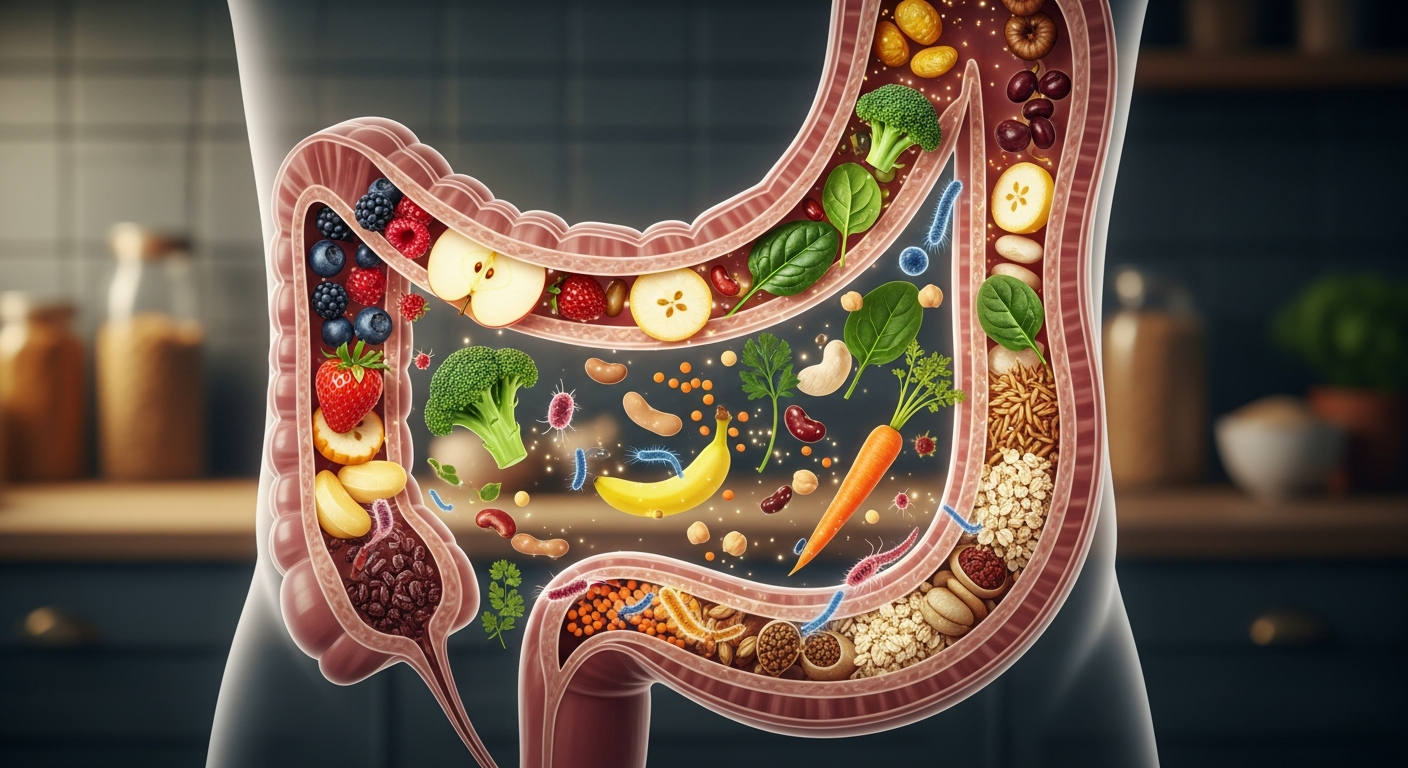
For years, we have been told that fiber is just about "staying regular." But new research and updated 2025 dietary guidelines show that fiber does much more. It acts as the primary fuel for trillions of tiny helpers in your gut, known as the microbiome. By feeding these good bacteria, fiber helps protect everything from your heart to your mental health.
Key Takeaways
- Fuel for Bacteria: Fiber isn’t just for digestion; it’s "prebiotic" food that allows good gut bacteria to thrive.
- The Immunity Connection: A high-fiber diet helps your gut produce healthy acids that lower inflammation and boost your immune system.
- The Fiber Gap: Most adults only eat about 15 grams of fiber a day, but experts recommend 25 to 38 grams.
- Slow and Steady: Increasing fiber too quickly can cause bloating. Experts suggest adding 5 grams per week while drinking plenty of water.
Background: What is Fiber and Why Does it Matter?
Fiber is a type of carbohydrate found in plants that your body cannot actually digest. Unlike sugar or starch, which the body breaks down and absorbs, fiber passes through your stomach and small intestine mostly unchanged.
While this might sound like fiber is "useless," the opposite is true. When it reaches your large intestine, your gut bacteria go to work on it. This process, called fermentation, creates special compounds that nourish the lining of your colon and enter your bloodstream to help regulate your metabolism and immune system.
Two Different Tools for Your Gut
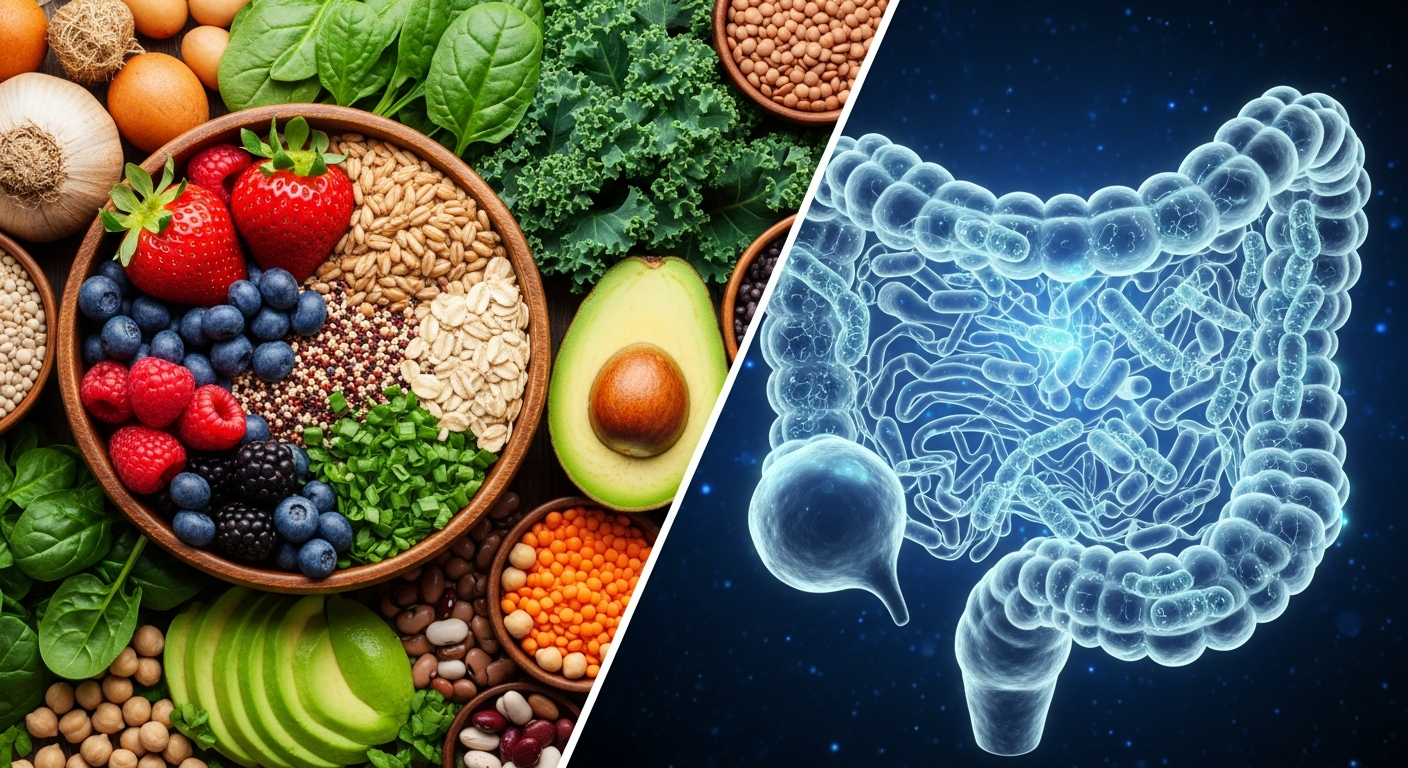
Not all fiber is the same. To get the best results, you need a mix of two main types:
1. Soluble Fiber (The "Gel Maker")
Found in oats, beans, apples, and citrus fruits, this fiber dissolves in water to form a gel-like substance. It slows down digestion, which helps keep your blood sugar steady and lowers "bad" cholesterol. This is the type of fiber your gut bacteria love to eat the most.
2. Insoluble Fiber (The "Broom")
Found in whole grains, nuts, and the skins of vegetables, this fiber doesn't dissolve. It adds bulk to your stool and helps move waste through your system quickly. It acts like a broom, cleaning out your digestive tract and preventing constipation.
What Experts Are Saying
Medical professionals are increasingly calling for a "fiber-first" approach to nutrition.
"We talk a lot about protein, but the real key to good gut health is consuming fiber on a regular basis," says Dr. Natalie Gentile, a family medicine physician. She notes that while protein is important, it is fiber that promotes a diverse and healthy "garden" of bacteria in our bodies.
Researchers at Cornell University have also discovered that our response to fiber can be personal. Assistant Professor Angela Poole explains that because every person has a unique mix of gut bacteria, some people might benefit more from certain types of fiber—like the "resistant starch" found in cold potatoes or green bananas—than others. This is leading to a new era of "precision nutrition" where diets are tailored to an individual’s specific gut microbes.
Closing the "Fiber Gap"
Despite the benefits, there is a massive "fiber gap" in modern diets. According to recent health surveys, only about 5% of adults meet their daily fiber goals. This shortage is linked to a rise in "leaky gut" issues and chronic inflammation.
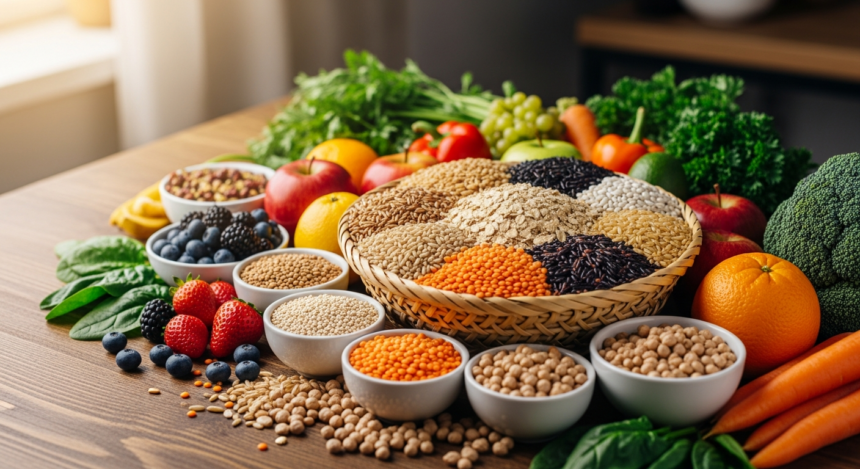
To fix this, nutritionists recommend focusing on whole foods rather than supplements. Simple swaps, like choosing brown rice over white rice or keeping the skin on your apples and potatoes, can make a big difference.
Experts warn, however, that you shouldn't double your fiber intake overnight. Because your gut bacteria need time to adjust to the new food supply, adding fiber too fast can lead to gas and cramping. The best strategy is to "start low and go slow," gradually reaching the goal of 28 to 34 grams per day for most adults.