


The AI Doctor Will Assist You Now: OpenAI Launches 'ChatGPT Health'
OpenAI has taken its biggest step yet into the medical world. On January 7, 2026, the company officially launched ChatGPT Health, a dedicated section of the app designed to help people manage their well-being. This new feature allows users to link their medical records and fitness data directly to the AI to get personalized advice.
For years, millions of people have used ChatGPT to ask about symptoms or diet plans. OpenAI reported that nearly 230 million people—about 29% of its weekly users—already ask the chatbot health questions. With this launch, the company is turning those casual questions into a professional, data-backed experience.
Key Takeaways

- Personalized Insights: Users can now connect apps like Apple Health, MyFitnessPal, and Peloton to ChatGPT.
- Medical Records: Through a partnership with b.well, U.S. users can sync their official medical records, including lab results and visit summaries.
- Isolation & Privacy: Health data is stored in a separate, encrypted space and is not used to train OpenAI’s future models.
- Doctor-Approved: The tool was refined over two years with feedback from 260 physicians across 60 countries.
- Professional Side: OpenAI also launched "OpenAI for Healthcare," a HIPAA-compliant version for hospitals and clinics.
A Personal Health Coach in Your Pocket
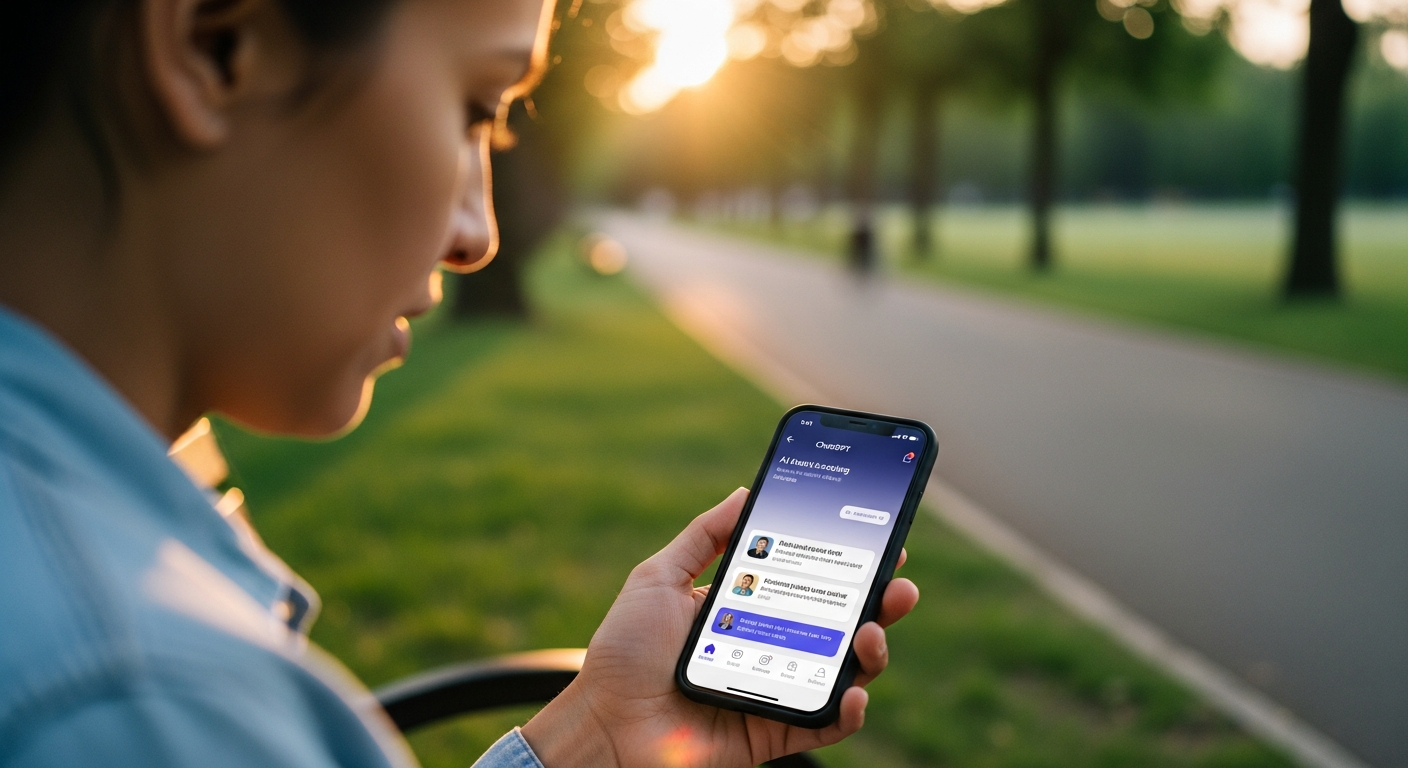
ChatGPT Health works like a high-tech personal assistant. Instead of giving general advice, it uses your specific data to answer questions. For example, a user could ask, "How has my cholesterol changed over the last three years?" or "Based on my sleep patterns last month, what should I change in my routine?"
It can also help with the "prep work" of being a patient. Users can upload complex lab results and ask the AI to explain them in plain English. It can even suggest a list of specific questions to ask a doctor during an upcoming appointment.
To ensure the AI is helpful rather than harmful, OpenAI built a framework called "HealthBench." This system uses rubrics written by doctors to judge how well the AI responds to medical queries. The goal is to make sure the AI knows when to give advice and when to tell a user to see a doctor immediately.
Background: From Chatbot to Caregiver
This launch didn't happen overnight. In 2024, OpenAI and Arianna Huffington’s Thrive Global formed a company called Thrive AI Health to build a personal health coach. That project laid the groundwork for what has now become an integrated part of the ChatGPT app.
OpenAI isn't just focusing on patients. The company also rolled out OpenAI for Healthcare, a suite of tools for doctors and hospitals. Major names like Cedars-Sinai and Boston Children’s Hospital are already using it. These tools help doctors with paperwork, summarizing patient charts, and finding evidence in medical journals, which gives them more time to spend with patients.
What Experts Are Saying
While the technology is impressive, experts are urging caution. Dr. David Liebovitz, an AI expert at Northwestern University, noted that while this is a "significant step forward" compared to a simple Google search, patients must be careful about privacy. He warned that data shared with the standard consumer version of ChatGPT may not have the same legal protections as a private talk with a doctor.
Accuracy is another concern. Recent studies show that models like GPT-4 can reach over 90% accuracy in some medical tests, outperforming some resident doctors. However, AI can still "hallucinate" or make up facts.
"ChatGPT Health is designed to support, not replace, medical care," OpenAI stated. The company has made it clear that the AI is not a doctor and cannot officially diagnose or treat diseases. Instead, it is a tool meant to help people understand their own health data better so they can have more informed conversations with their human physicians.